Fundamental Nutrition Concepts
Explore the science behind balanced nutrition and wellness principles.
Introduction to Macronutrients
Macronutrients form the foundation of nutrition science. These are nutrients required in large quantities and provide energy for bodily functions. The three primary macronutrients are carbohydrates, proteins, and fats, each serving distinct physiological roles.
Carbohydrates
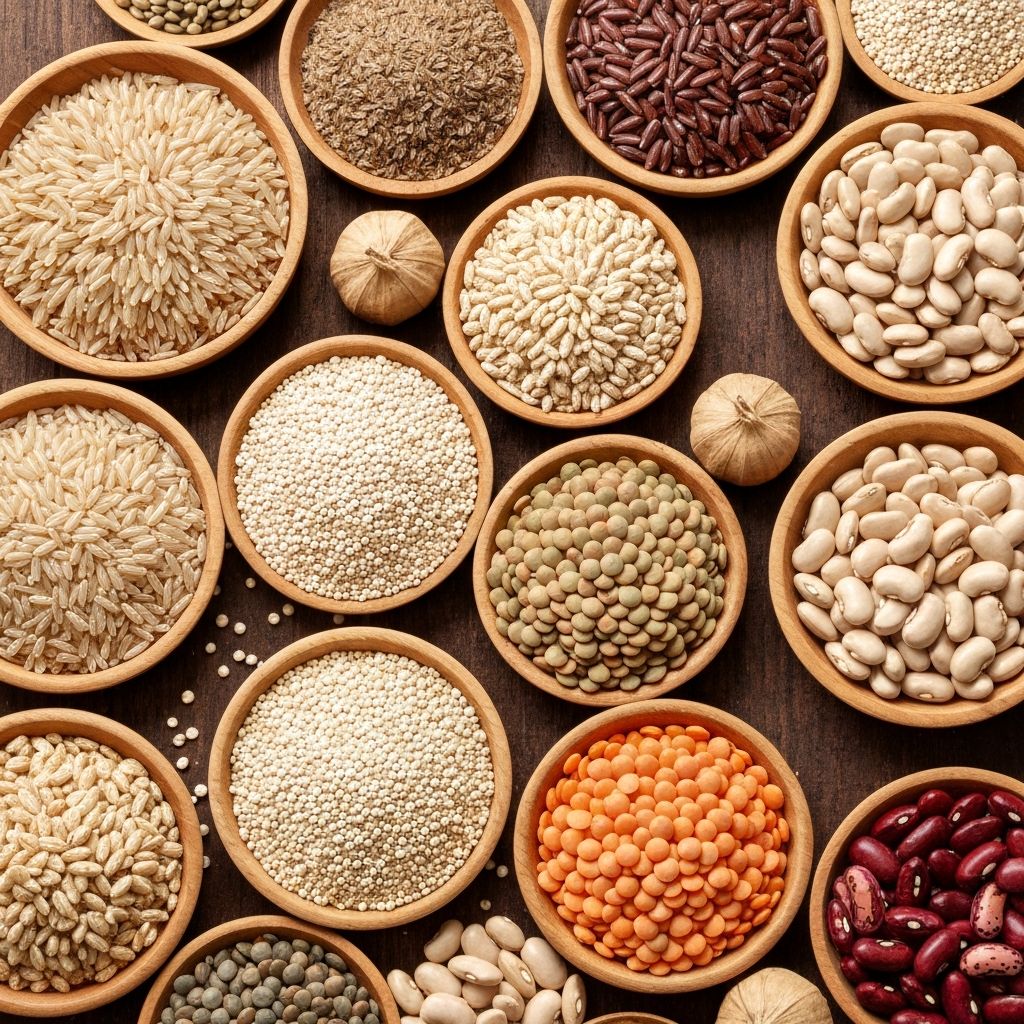
Carbohydrates serve as the body's primary energy source. They are composed of carbon, hydrogen, and oxygen, and are classified into simple sugars and complex carbohydrates based on their structure. Whole grain sources, vegetables, and legumes provide carbohydrates along with beneficial fiber and micronutrients.
Proteins
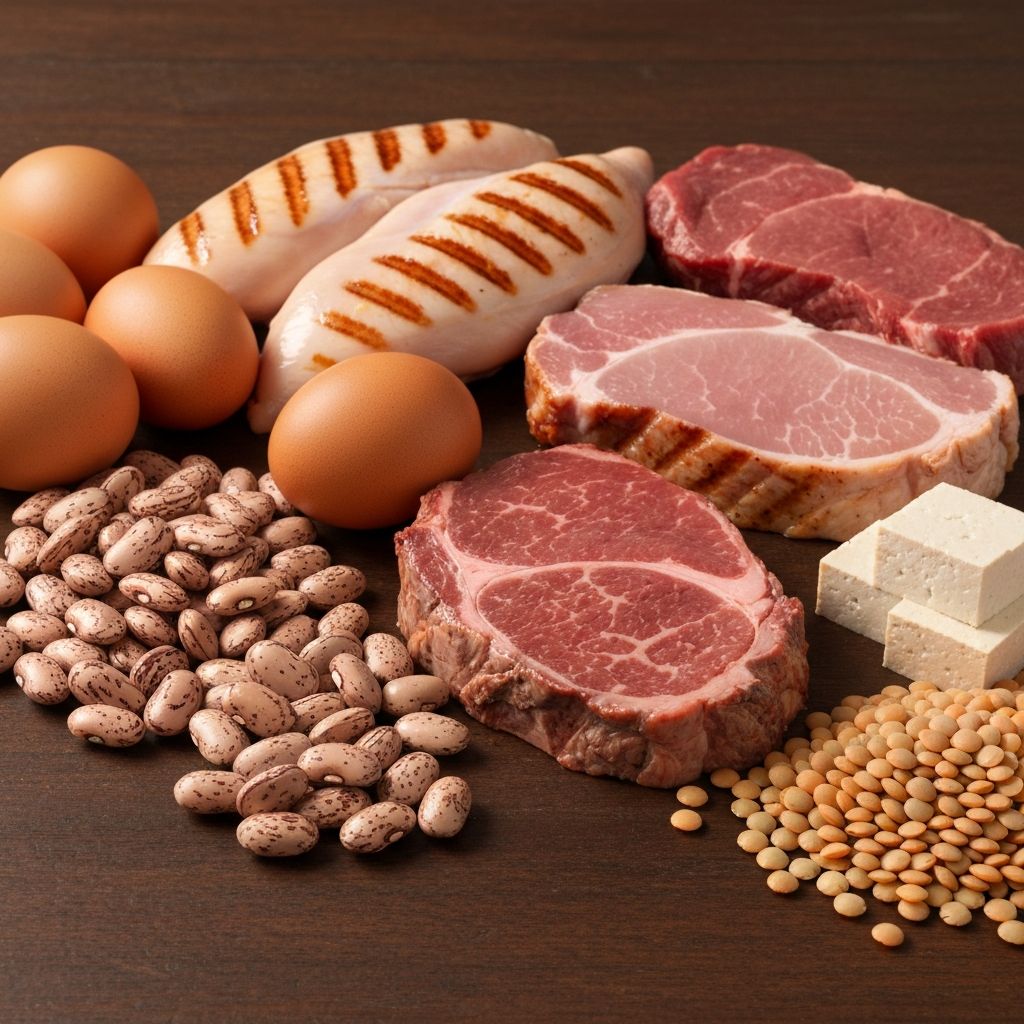
Proteins are amino acid chains essential for building and repairing tissues, producing enzymes and hormones, and supporting immune function. Plant-based sources include legumes and nuts, while animal sources include meat, fish, eggs, and dairy products.
Fats
Dietary fats are vital for hormone production, absorption of fat-soluble vitamins, and cell membrane function. Sources include nuts, seeds, avocados, oils, and fatty fish, each contributing different types of fatty acids.
Micronutrients Overview
Vitamin A
Essential for vision, immune function, and skin health. Found in sweet potatoes, carrots, spinach, and other colorful vegetables.
Vitamin C
Supports immune system, collagen formation, and antioxidant protection. Present in citrus fruits, berries, and bell peppers.
Vitamin D
Regulates calcium absorption and bone health. Synthesized through sunlight exposure and found in fatty fish and fortified products.
Calcium
Critical for bone structure and muscular function. Found in dairy products, leafy greens, and fortified plant-based alternatives.
Iron
Central to oxygen transport in blood and energy metabolism. Present in both plant sources and animal products in different forms.
Magnesium
Involved in enzyme function and muscle relaxation. Found in nuts, seeds, whole grains, and leafy vegetables.
Key Terms
Hydration and Wellness

The Importance of Water
Water comprises approximately 60% of adult body weight and is essential for virtually every physiological process. It regulates temperature through perspiration, transports nutrients, aids digestion, lubricates joints, and supports cognitive function.
While individual water needs vary based on activity level, climate, and health status, understanding general hydration principles helps maintain optimal body function. Beyond water, other beverages and water-rich foods contribute to overall fluid intake.
Factors Affecting Hydration
Climate, physical activity intensity, dietary choices, and individual physiology all influence hydration requirements. Recognizing thirst as a signal and maintaining consistent fluid intake supports proper hydration throughout the day.
Mindful Eating Practices
Conscious Consumption
Mindful eating involves bringing awareness to the eating experience—noticing colors, aromas, textures, and flavors of food. This conscious approach can enhance satisfaction and help distinguish between physical hunger and emotional eating patterns.


Food Preparation
Preparing meals from whole ingredients encourages engagement with food's nutritional content and origin. The preparation process itself becomes part of the wellness experience, fostering appreciation for the nutrients consumed and creating opportunities for mindful planning of meals.
Recognizing Satiety Signals
The body sends signals of fullness and hunger, which take time to register. Eating slowly and paying attention to these physiological cues supports appropriate portion intake and digestion. This awareness reduces overeating and enhances the eating experience.

Food Groups and Balanced Intake
| Food Group | Primary Nutrients | Examples | Roles in Health |
|---|---|---|---|
| Vegetables | Fiber, vitamins, minerals | Spinach, carrots, broccoli, peppers | Antioxidant support, digestive health |
| Fruits | Vitamins C, fiber, antioxidants | Apples, berries, citrus, bananas | Immune support, energy, disease prevention |
| Whole Grains | Complex carbs, fiber, B vitamins | Oats, brown rice, quinoa, whole wheat | Sustained energy, digestive health |
| Proteins | Amino acids, iron, B vitamins | Chicken, fish, beans, nuts, eggs | Tissue repair, enzyme function, immunity |
| Healthy Fats | Unsaturated fats, omega-3s | Olive oil, avocado, walnuts, salmon | Heart health, hormone production, nutrient absorption |
| Legumes | Protein, fiber, minerals | Lentils, chickpeas, black beans | Sustained energy, plant-based protein |
Physical Activity and Nutrition
While this resource focuses on nutritional science, wellness encompasses broader lifestyle principles. Physical activity complements balanced nutrition by supporting cardiovascular health, muscle function, and mental wellbeing.
Nutritional Foundation Supports Active Living
Understanding Dietary Guidelines
Development of Nutrition Science
Modern nutritional science emerged from research into deficiency diseases in the early 20th century. As understanding grew, dietary guidelines evolved to address chronic disease prevention and optimal nutrient intake across populations.
Evidence-Based Recommendations
Contemporary dietary guidelines are based on systematic review of scientific evidence. These recommendations emphasize whole foods, adequate nutrient diversity, and patterns that support long-term health across different populations and life stages.
Individual Variations
While general principles apply broadly, individual nutritional needs vary based on age, sex, activity level, metabolism, and health status. Understanding foundational principles allows for personalization based on individual circumstances.
Practical Application
Applying nutritional knowledge involves making consistent choices that incorporate diverse whole foods, support adequate nutrient intake, and align with cultural food traditions and personal preferences.
Food Preparation Methods
Cooking Techniques and Nutrient Preservation
Different cooking methods affect nutrient retention and food digestibility. Steaming, baking, and gentle simmering generally preserve nutrients better than prolonged high-heat cooking. Raw foods retain heat-sensitive nutrients like vitamin C, while certain nutrients become more bioavailable with cooking.
Storage and Freshness
Proper storage of fresh produce preserves nutrient content. Understanding seasonal availability and storage methods helps maintain nutritional quality while supporting sustainable food choices aligned with local agricultural cycles.
Kitchen Tools for Wellness
Simple kitchen equipment—cutting boards, knives, measuring tools—facilitates food preparation from whole ingredients. These tools enable the mindful engagement with nutrition that supports informed, conscious eating practices.
Common Misconceptions About Nutrition
Claim: All Carbohydrates Are Bad
Reality: Carbohydrates vary significantly. Whole grains, legumes, and vegetables provide carbohydrates with fiber and nutrients that support health. Refined carbohydrates and added sugars warrant moderation, but carbohydrates themselves are essential macronutrients.
Claim: Fat Always Causes Weight Gain
Reality: Dietary fats are essential for hormone production and nutrient absorption. The focus should be on fat quality—emphasizing unsaturated fats from nuts, seeds, and fish while moderating saturated intake.
Claim: Eating Must Follow Strict Rules
Reality: Sustainable nutrition applies flexible principles rather than rigid rules. Individual variation is normal, and consistent application of balanced principles matters more than perfection in any single meal.
Claim: Certain Foods Are Absolutely Forbidden
Reality: All foods can fit within balanced nutrition. Portion and frequency matter more than absolute prohibition. Focus on building patterns that emphasize whole foods while allowing for flexibility and enjoyment.
Claim: Supplements Replace Whole Foods
Reality: Whole foods contain nutrient combinations and compounds that isolated supplements cannot replicate. While supplements address specific deficiencies, food remains the foundation of nutritional wellness.
Claim: One Diet Works for Everyone
Reality: Individual needs vary by age, activity, health status, and genetics. Foundational principles apply broadly, but implementation varies based on personal circumstances and preferences.